The University of North Carolina at Chapel Hill
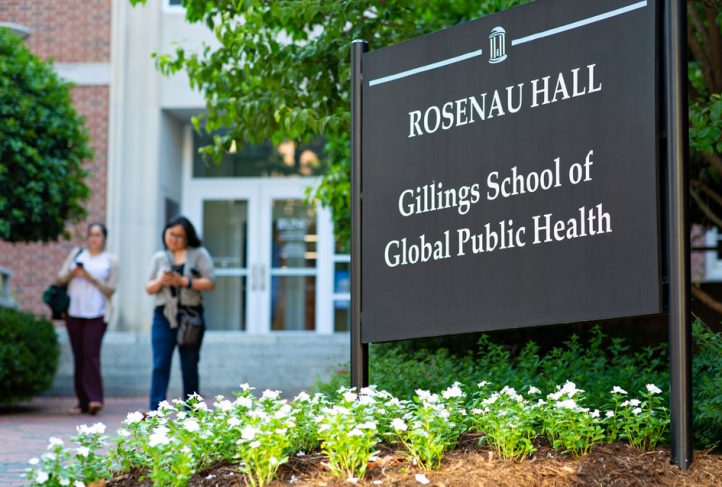
Gillings School of Global Public Health
170 Rosenau Hall, CB #7400
135 Dauer Drive
Chapel Hill, NC 27599-7400
919-966-3215
Contact
Every family has a cancer story. So does every neighbor, friend, co-worker and employer. That's why it's not just a statistic -- it's a human issue. And that's why it's not just a disease -- it's a significant public health issue.
But there is good news. Today, some cancers can be prevented, others can be found early and some can be cured. Still, we have far to go. Like many other states, North Carolina and UNC researchers are fighting back by promoting early detection of cancer and healthier lifestyles.
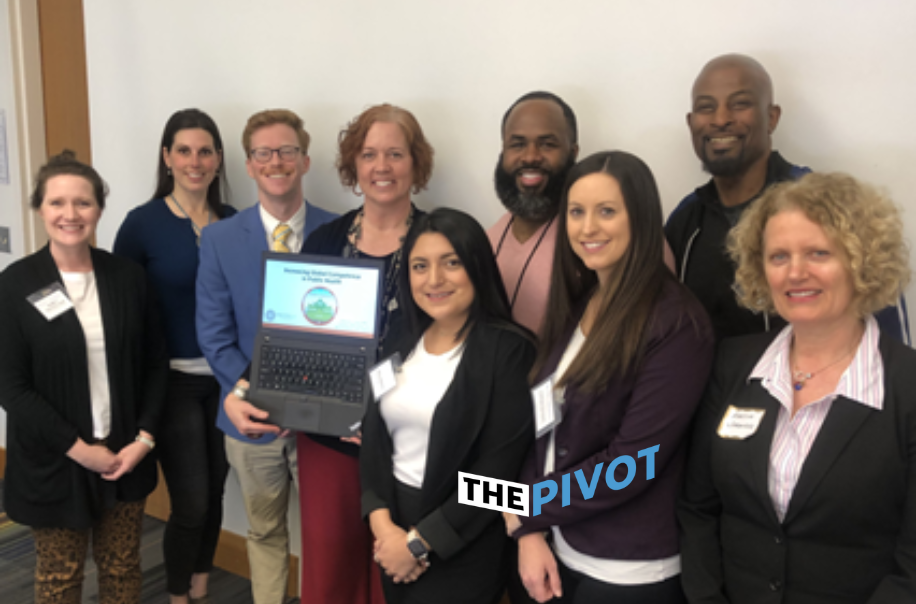
Amanda Holliday (far right) teaches students in the School's demonstration kitchen.
CEPH reaccreditation process nears completion
A team representing the Council on Education for Public Health (CEPH) completed its three-day site visit to the School on Wednesday, Nov. 18. Preliminary feedback was positive. We will receive their written report in 6-8 weeks, and we will have until May 10 to respond. The Council will vote on our reaccreditation in June.
"It was a good experience, and the self-study taught us a lot about ourselves," said Dean Barbara K. Rimer.
Our mission is to improve public health, promote individual well-being, and eliminate health disparities across North Carolina and around the world. More.
This Web site is best viewed in the most recent version of Firefox, Internet Explorer or Safari at a screen resolution of 1200 x 800 or higher.
Caring for the mentally ill in North Carolina
While there is a serious shortage of community-based crisis services for people with serious mental illness, state psychiatric hospitals are often over-booked and under-staffed. Nearly 400,000 North Carolinians with the most severe symptoms do not always receive the most effective treatment.
Professor Joseph Morrissey and his Gillings Innovation Lab team are using qualitative and quantitative methods, stakeholder participation and computer simulations to compare the human and financial impacts of alternative policies for improving mental health care systems in North Carolina.
School announcements and notices about faculty, staff and students in the news rotate on flat LCD screens in the School's atrium and main lobby, providing an anchor for our School community. Events, recognitions and other important information is updated daily.
This Web site is best viewed in the most recent version of Firefox, Internet Explorer or Safari at a screen resolution of 1200 x 800 or higher.
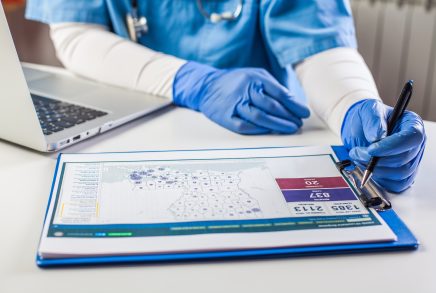
The Food and Drug Administration has now approved 2009 H1N1 vaccines.
H1N1 flu vaccine available at UNC
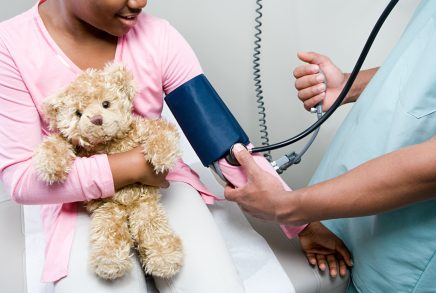
UNC Health Care has received a limited shipment of the H1N1 intranasal vaccine and has scheduled vaccination clinics for students, faculty and staff in CDC target groups, including people between the ages of six months and 24 years. The next round of clinics will be held from Nov. 23 to Dec. 10.
The H1N1 influenza virus continues to circulate widely worldwide. Health officials expect cases to keep increasing in the United States in the next few months since influenza transmission typically spreads more rapidly during the fall and winter.
We continue to encourage everyone to practice good public health hygiene, which includes washing hands frequently and using tissues to cover sneezes and coughs.
So far this year, cases on campus are similar to a mild seasonal influenza that circulates every year. Most people who get the virus are back to normal activities within three to five days. The major difference between this strain of flu and seasonal flu is that H1N1 has occurred outside the usual flu season sequence (typically October through March), and it appears to spread more quickly, especially among young adults.