UNC Superfund Research Program
The UNC SRP aims to better understand the human and environmental health risks associated with exposure to inorganic arsenic, the highest priority contaminant regulated under the Superfund program. To accomplish these aims, we bring together a diverse group of biomedical researchers, engineers, chemists, environmental scientists, data scientists, postdoctoral researchers and graduate trainees.
Our research interests include:
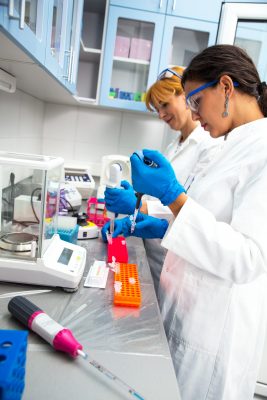
- Understanding the molecular mechanisms driving arsenic-induced diabetes and identifying potential targets for therapeutic strategies;
- Understanding the interaction between inorganic arsenic exposure and obesity as risk factors for diabetes, and how individuals differ in their susceptibility and risk based on their genes and sex;
- Understanding the role of the gut microbiome in arsenic-induced diabetes to identify potential targets for disease prevention;
- Developing new methods to predict and model contamination of soil and water by toxic metals such as arsenic, vanadium and chromium to better inform well placement and monitoring efforts; and
- Developing new membrane technologies to effectively remove inorganic arsenic and other contaminants from groundwater.
Introducing NC ENVIROSCAN
This new mapping tool allows users to visualize trends that include environmental contaminants, sociodemographic information, environmental justice indicators, and health outcomes throughout North Carolina.
Community members who want to learn more about their local health risks and potential solutions to these risks may benefit from this tool, along with policymakers, government agencies, clinicians, and scientists.